
Warmer floors in winter
Bulk batts trap still air between joists, creating a barrier that prevents cold air from rising through the floorboards. This keeps your feet warm and reduces the need for extra heating.
Princes Hill
Underfloor insulation stops cold air rising through suspended timber floors in Princes Hill homes. We install bulk batts between floor joists in the subfloor to cut draughts, warm your floors and lower heating costs.
Share your details and Expert Insulation Melbourne will contact you about Underfloor Insulation in Princes Hill.
Many Princes Hill homes have suspended timber floors that let cold air rise through gaps in the floorboards. Underfloor insulation fills the space between joists with bulk batts to block draughts and improve thermal resistance. This is a practical upgrade for older weatherboard and brick veneer houses common in the area, making floors warmer in winter and reducing heat loss.
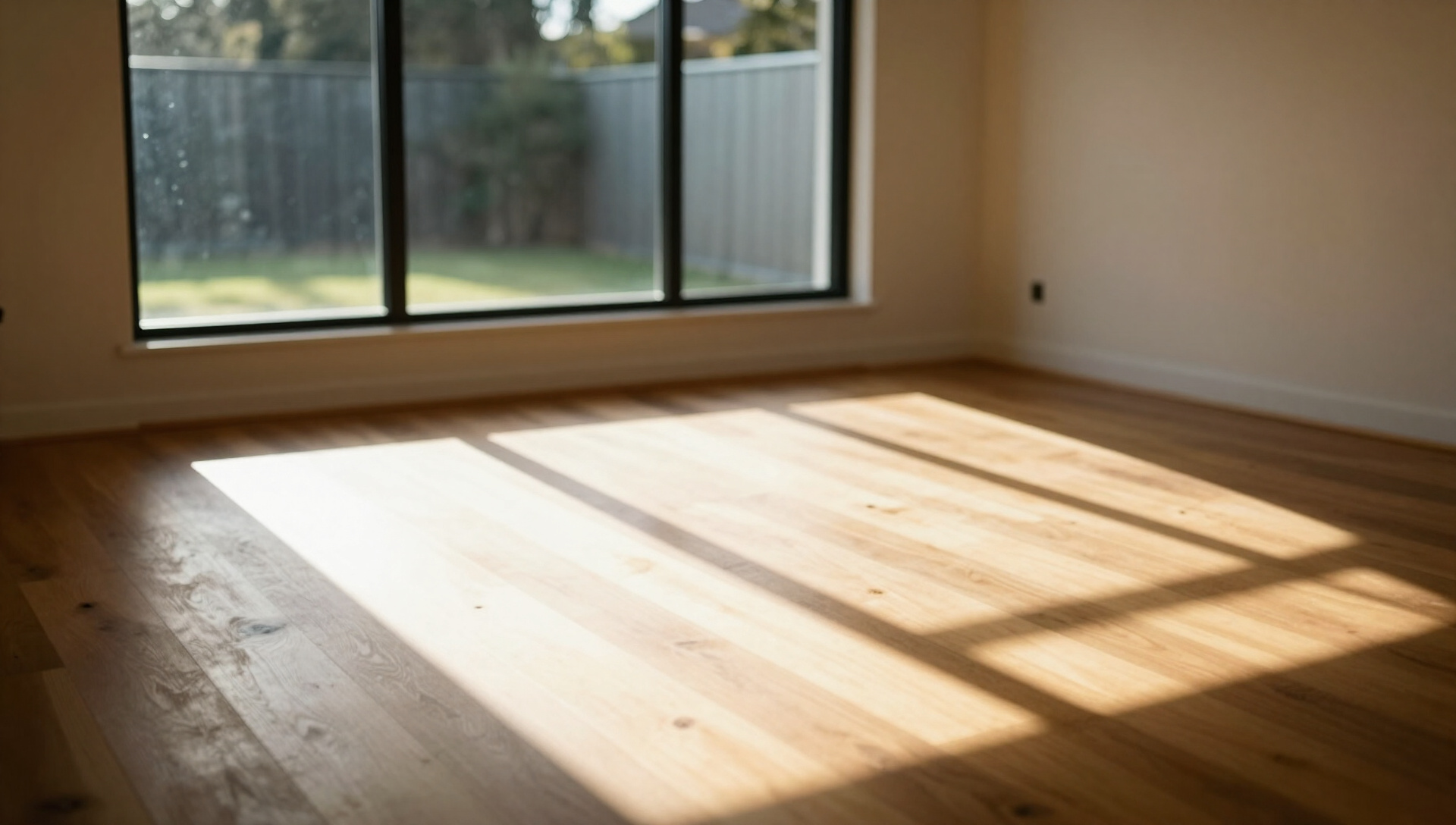
Princes Hill’s older homes often suffer from cold floors due to uninsulated subfloors. Installing underfloor insulation addresses this directly by stopping air movement through the floor structure, which improves comfort and energy efficiency.
Bulk batts trap still air between joists, creating a barrier that prevents cold air from rising through the floorboards. This keeps your feet warm and reduces the need for extra heating.
Gaps in timber floors and around skirting boards let cold air in. Underfloor insulation blocks these draughts, making rooms feel more comfortable and consistent.
By stopping heat loss through the floor, your heating system works less to maintain a comfortable temperature. This can lead to noticeable savings on energy bills over time.
While the main benefit is winter warmth, underfloor insulation also helps moderate temperatures in summer by reducing heat gain through the subfloor.
Properly installed batts with a vapour barrier help manage moisture in the subfloor, reducing the risk of condensation that can lead to mould or timber damage.
The work is done from the subfloor, so there’s no need to remove flooring or disrupt your home. Access is required under the house, which is typical for Princes Hill properties with raised foundations.
Installing underfloor insulation requires access to the subfloor and careful placement of batts between joists. Here’s how we complete the job in Princes Hill homes.
We check the subfloor for adequate crawl space, moisture levels and any existing insulation. Old or damaged material is removed, and the area is cleaned to ensure a proper fit for new batts.
Bulk batts are measured to fit snugly between joists without compression, which would reduce their R-value. We use glasswool, polyester or rockwool depending on your preference and the specific needs of your home.
Batts are friction-fitted between the floor joists, ensuring full coverage with no gaps. We maintain clearances around pipes, cables and other services to meet building standards.
After installation, we seal any remaining gaps around the edges and inspect the work to confirm the batts are secure and performing as intended. The subfloor access is then restored.
Princes Hill’s mix of weatherboard and older brick homes often have suspended timber floors that benefit from underfloor insulation. The suburb’s proximity to the CBD and its older housing stock make it a prime area for this upgrade. Cold winters and the need for efficient heating mean that insulating the subfloor can significantly improve comfort and reduce energy use.
Stop cold floors in Princes Hill with underfloor batts installed between joists in your subfloor.
Homeowners in Princes Hill often have questions about underfloor insulation, from cost factors to installation practicalities. Here are the most common queries we answer.
Underfloor insulation is a cost-effective way to improve thermal comfort in Princes Hill homes with suspended timber floors. By installing bulk batts between the floor joists in the subfloor, you create a barrier that stops cold air rising through gaps in the floorboards. This is particularly valuable in older weatherboard and brick veneer houses common in the area, where draughts and cold floors are frequent issues.
The process involves accessing the subfloor, removing any old or damaged material, and fitting new batts snugly between the joists. Glasswool, polyester and rockwool are all suitable options, with typical R-values ranging from R1.5 to R2.5 for underfloor applications. The work is non-intrusive, as it’s completed from below without disturbing the existing flooring.
Princes Hill’s climate, with cold winters and moderate summers, makes underfloor insulation a smart investment. It reduces heating costs by minimising heat loss through the floor, while also improving year-round comfort. Proper installation also helps manage moisture in the subfloor, reducing the risk of condensation and related issues.
If your Princes Hill home has cold floors or draughts, underfloor insulation can make a noticeable difference. We provide clear quotes and professional installation tailored to your property.